Search This Blog

Sunday, October 14, 2012

Trae Review: Week Seven (1/2)


With the multi-day concert festival season coming to close this year, live events have taken a major step in concert experience levels this year. After Jay-Z successfully broadcasted his concert live from Brooklyn, NY to over 50,000 people on YouTube, the notion of being able to watch a concert without having to buy a ticket brought a new facet to the music industry business model. Festivals like Coachella that broadcasted and created a full hologram concert with Tupac to now Austin City Limits broadcasting a multi-camera, TV quality concert series over the course of three days is a major indication that a multitude of revenue streams are being discovered for future, stable income sources. These broadcasted concerts allow people to still experience some of their favorite artists live in the comfort of their own homes, not have to stand in a crowd or consume overpriced concessions, commute to the event and most importantly purchase a concert ticket. 

I was at first skeptical that concert ticket sales will decrease from live streaming and as a result push concert ticket prices up in order to make up the lost revenue of quantitative purchases. However, for festivals like Austin City Limits, the $200 tickets sold out after an hour going online and had over a million people in total stream in to the concert for an average time frame of just over an hour (Associated Press). With advertisement banners in front of consumers for that long of a time period is major extended face time for advertisement sponsors. These advertisement spots do not even have to make up for lost ticket sales because the ticket sales for concert series like Austin City Limits sold out; therefore, this is an additional revenue stream for the concert that is also a great advertising opportunity for the festival itself for future consumers. However, some artists will not agree to the live streaming because they dislike the notion of being on live internet-TV. Artists claim it provides a “historical archive” performance where people can go back to judge the performance and create an incredibly meticulous, high-standard audience across all genres (Associated Press).


Sunday, October 7, 2012

Trade Review: Week Six (2/2)


Jay-Z To Live Stream Brooklyn Concert on YouTube

      In an effort to bring the main stage to the digital age, Jay-Z - music mogul, entrepreneur and part owner in the Brooklyn Nets - broadcasted his concert on YouTube from the Brooklyn Nets Barclay Center. Jay-Z scheduled eight shows back to back as a promotional effort to kick off the brand new stadium; however, the concert series was more than just to drive ticket sales for the Nets' upcoming season. The concert was a milestone for the mogul as he was introducing a new way to experience a live concert. Many artists have broadcasted their concerts live on television, but to move mediums from TV to Internet is a pivotal indication of how Internet and music are coming together. Already shifting the business model of how consumers listen to music from the iTunes store to now music streaming services, innovators are looking towards new outlets for the Internet and music to come together. By allowing live concert access via Internet can be a whole new way to experience a concert – allowing front row views from all the camera angles.

    In addition, the Jay-Z concert was streamed for free for all audiences, where other entertainment opportunities like the O’Reilly-Stewart debate are following in Jay-Z’s footsteps but with a twist. The debate will be streamed live on YouTube but viewers will need to pay a $4.95 fee to access the content (Moscaritolo). Not only will this be an interesting, new business model of accessing content, but also can be potentially very lucrative. For entertainers like Jay-Z to broadcast their concerts live on the Internet also allows for banner advertisements to appear on the screen. This extra revenue will allow Jay-Z to make even more money from the people that could not make it to his sold out show. I was one of the viewers during his streamed concert Saturday night and at one point the live viewing count surpassed 50,000 people, which is two and a half more times the amount of people that could even fit into the Barclays’ 19,000 stadium capacity.


Saturday, October 6, 2012

Trade Review: Week Six (1/2)

How Neil Young Plans to Save the Music Industry


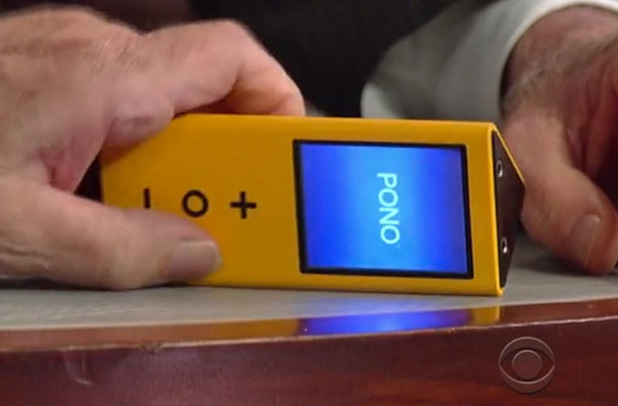
Legendary rocker and entertainment investor Neil Young has a new mobile music device that could shift the entire industry’s quality standards for digital music. Heavily backed by media entrepreneurs and rock stars, Young’s device, Pono, has stirred up a media storm due to the device’s drastic difference in sound files on an iPod versus Young’s Pono. Young states that a music file on an iPod only captures 5% of the music quality from in a recording studio, whereas Pono far exceeds that amount and literally brings the music to your ears. Never a fan of a CDs or iPods, Young believes his new device will bring back the art in music and will hopefully give mobile music distributors a run for their money (Apple, Rhapsody, Amazon Music, Spotify etc). However, Young does not intend to try and make these music distributors go out of business; all Young wants to do is simply try to upgrade the playing field and force music distributors to increase the standards in the quality of music: “It's not that digital is bad or inferior, it's that the way it's being used isn't doing justice to the [music]” (Fitzgerald). Therefore, Pono is simply a passion project for Young, he is not in it for the financial benefits. The success of Pono will be measured in its ability to change consumer tastes and “whether consumers will stick to the cheap, easy-to-download music they've grown accustomed to over the years or if sound quality will win out” (Fitzgerald).

Pono’s biggest struggles will be its ability to shift user preferences of an iPod or their mobile device to the Pono device. Pono does not just convert songs to a higher quality file, the user will have to repurchase all of their favorite songs that have been adjusted to the Pono standard. Already an inhibiting factor, Pono will struggle in its ability for consumers to believe that the device they are purchasing will give them better music quality and let alone being worth the purchase. For a consumer to go out on a limb, purchase the Pono without even hearing the difference between their iPod is a major risk for consumers, especially when they are already content with an iPod. In addition, recent music streaming services offer unlimited music for minimal costs, which has set the Pono farther back in attracting customer, when it appears that quantity is in consumer preferences in the digital age as opposed to quality. In my opinion, Pono will not generate massive revenue because it will only attract die-hard music lovers, which could be exactly what Young wants. Young may want to generate enough momentum and backing from all musical enthusiasts to finally push Apple and music distributors alike to raise the quality of sound in musical content.